The chakra blog
Practical guides to balance your chakras, on your own or as a couple.
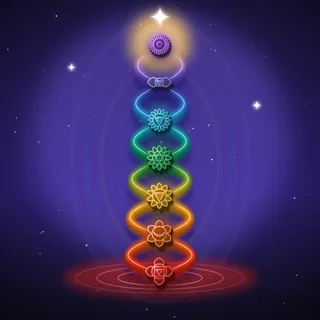
How to balance your chakras: a step-by-step guide
To balance your chakras, first find out which ones are underactive (holding back) and which ones are overactive (overflowing), then work on what throws them off in daily life: sleep, stress, your body, your relationships. An underactive chakra needs to be nourished; an overactive chakra needs to be calmed. They are not rebalanced the same way.
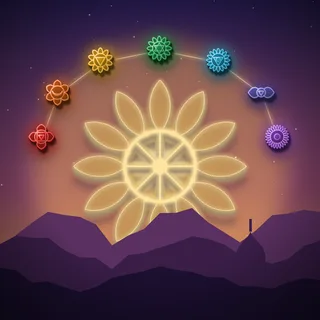
The origin of chakras: their history, from ancient India to today
The word "chakra" means "wheel" in Sanskrit. The origin of chakras lies in the tantric and yogic traditions of medieval India, which described energy centers along the spine. The seven-chakra system we know today took shape in the 16th century, then spread to the West in the 20th century, along with a few modern additions.
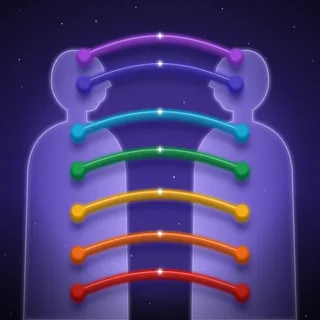
Chakras for couples: the 7 energy links between you
In a couple, each partner carries seven chakras, and each chakra of one responds to the same chakra of the other. Together they form seven links: security, tenderness, decisions, love, communication, shared vision and meaning. When a link is tense, that's often where repeated arguments, misunderstandings and relationship fatigue begin.

The 5 love languages: how to recognize them, and why everyone needs all five
The 5 love languages are words of affirmation, quality time, gifts, acts of service and physical touch. The idea is simple: each person has favorite ways of receiving love, and we often love others the way we would like to be loved. Recent research adds an important nuance: everyone needs all five, in different doses.
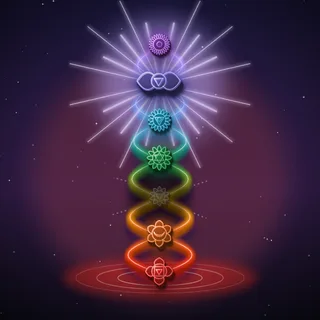
Blocked chakra signs: underactive vs overactive chakras
A "blocked" chakra shows in what it does to your life: the body, emotions and relationships linked to that chakra become difficult. But there are two kinds of blockage. An underactive chakra lacks energy (you shut down, you avoid). An overactive chakra has too much (you control, you overdo it). The signs are almost opposite, and so are the remedies.
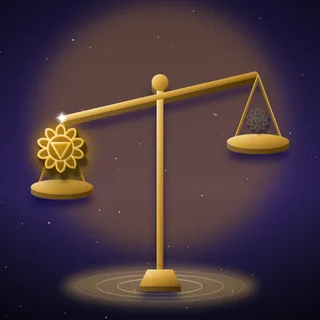
The false balance in a relationship: when one partner compensates for the other
A relationship can look balanced while one partner is wearing out. When one is overactive on a chakra (deciding, talking, giving, controlling) and the other is underactive on the same chakra (following, staying silent, receiving), they compensate for each other. From the outside, everything works. But sometimes one partner is just putting up with it, and that's where you need to look more closely.
7 rituals to harmonize your couple's energy
Harmonizing your couple's energy means caring for the seven links that connect you: security, tenderness, decisions, love, communication, shared vision and meaning. What works best isn't a big weekend once a year, but a small regular ritual, 5 to 20 minutes long, matched to the link that needs it most.
The heart chakra in relationships: giving and receiving
The heart chakra governs love given and received. In a relationship, it's balanced when each partner can give without forgetting themselves and receive without feeling indebted. It goes off balance in two ways: an underactive heart closes and protects itself; an overactive heart gives too much and burns out. Relationships often suffer when the two meet.
Sleep and chakras: can't fall asleep or sleep lightly?
Sleep is the first backstage factor in chakra balance: a few short nights are enough to make you irritable or flat. But "sleeping badly" covers two different problems. Trouble falling asleep often comes from an overly active mind (overactive third eye or solar plexus). Light sleep, with night waking, has more varied causes: noise, heat, digestion, stress. Each calls for different steps.

Box breathing: a step-by-step technique to calm your mind
Box breathing means inhaling for 4 seconds, holding for 4, exhaling for 4, then holding again for 4, as if tracing the four sides of a square. Practiced for 3 to 5 minutes, it slows your breathing, calms a racing mind and helps you regain your composure before a stressful moment.
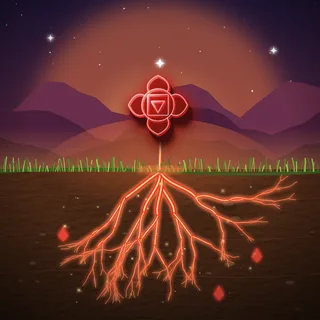
Stuck in your head? 9 ways to ground yourself (root chakra)
Grounding means coming back into your body and into concrete life when your mind goes in every direction. That's the role of the root chakra, at the base of the spine. You need it most when the "upper" chakras overflow: racing thoughts (overactive third eye) or escaping into spirituality (overactive crown). The remedies are simple: your body, nature, routine, and even your plate.
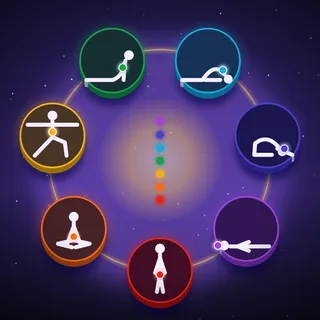
Yoga poses for chakras: one simple pose for each chakra
Yoga connects body and attention, which makes it an excellent tool for balancing your chakras. Each chakra can be paired with a simple, beginner-friendly pose: mountain for the root, butterfly for the sacral, warrior for the solar plexus, cobra for the heart, supported fish for the throat, child's pose for the third eye, and corpse pose for the crown.

Lack of self-confidence: where it comes from and how to build it
Self-confidence is the belief that you can act and cope with what comes your way. A lack of self-confidence most often comes from repeated criticism, failures that were never processed, or constant comparison with others. It is rebuilt through action: small challenges you succeed at, a kinder inner voice and clear boundaries.

How to communicate better in a relationship without fighting
To communicate better in a relationship, above all, change the way difficult conversations begin: talk about yourself ("I feel...") rather than about your partner ("you never..."), listen all the way through before answering, and take a break when tension rises. An argument is not the problem: the way you argue is what counts.
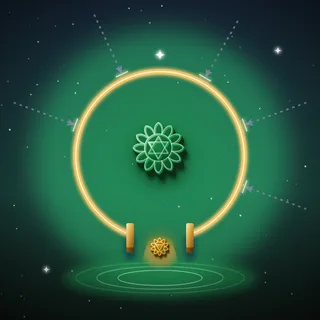
How to set boundaries without feeling guilty
Setting boundaries means saying clearly what you accept and what you don't, calmly and without long explanations. Guilt is normal at first: it comes from the fear of disappointing people, not from doing anything wrong. A boundary is set in three steps: feel it, say it simply, then hold it.
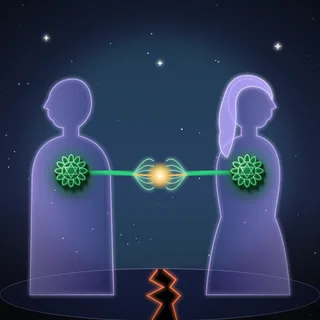
The small signs you are drifting apart, and how to act before it takes hold
Couples rarely drift apart all at once. Distance creeps in little by little: a forgotten hug, a conversation cut short, an evening each on your own screen. One by one, these signs seem harmless. Together, they form a slope. The good news: the earlier you notice them, the easier it is to climb back.
Which chakras go together? Energy compatibility in a couple
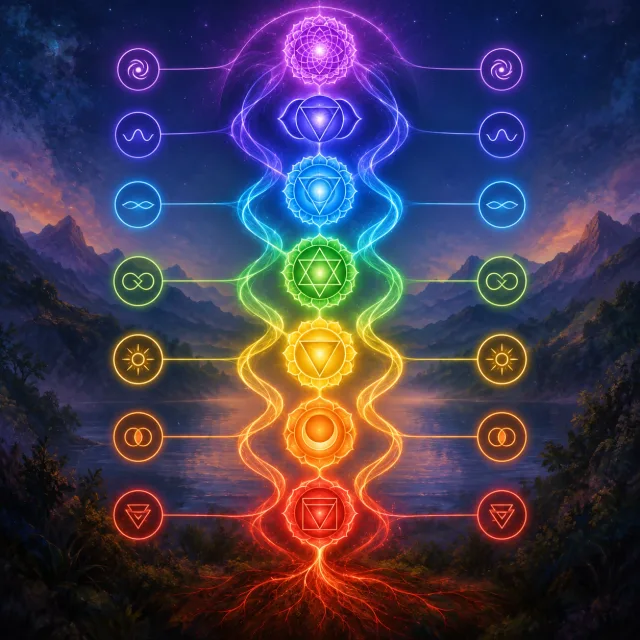
In a couple, each chakra goes with the same chakra in your partner: root with root, heart with heart, throat with throat. Together they form seven links. Energy compatibility doesn't depend on one "good" chakra, but on how these seven links flow: relaxed, tense or tilted to one side.
What Type of Couple Are You? The 7 Chakra Couples
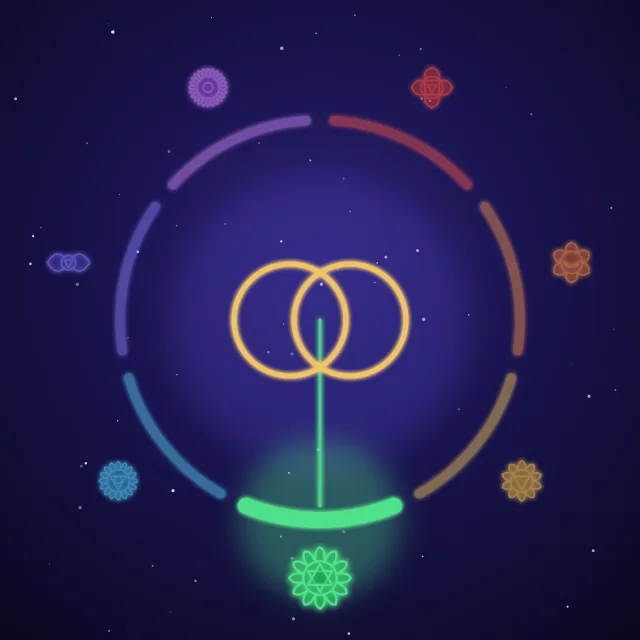
Every couple leans on one link more than the others. Depending on that link, there are seven types of couple, one per chakra: the safe-haven couple (root), the playful couple (sacral), the builder couple (solar plexus), the tender couple (heart), the talkative couple (throat), the visionary couple (third eye) and the meaning-seeking couple (crown). None is better: each has its strength and its trap.